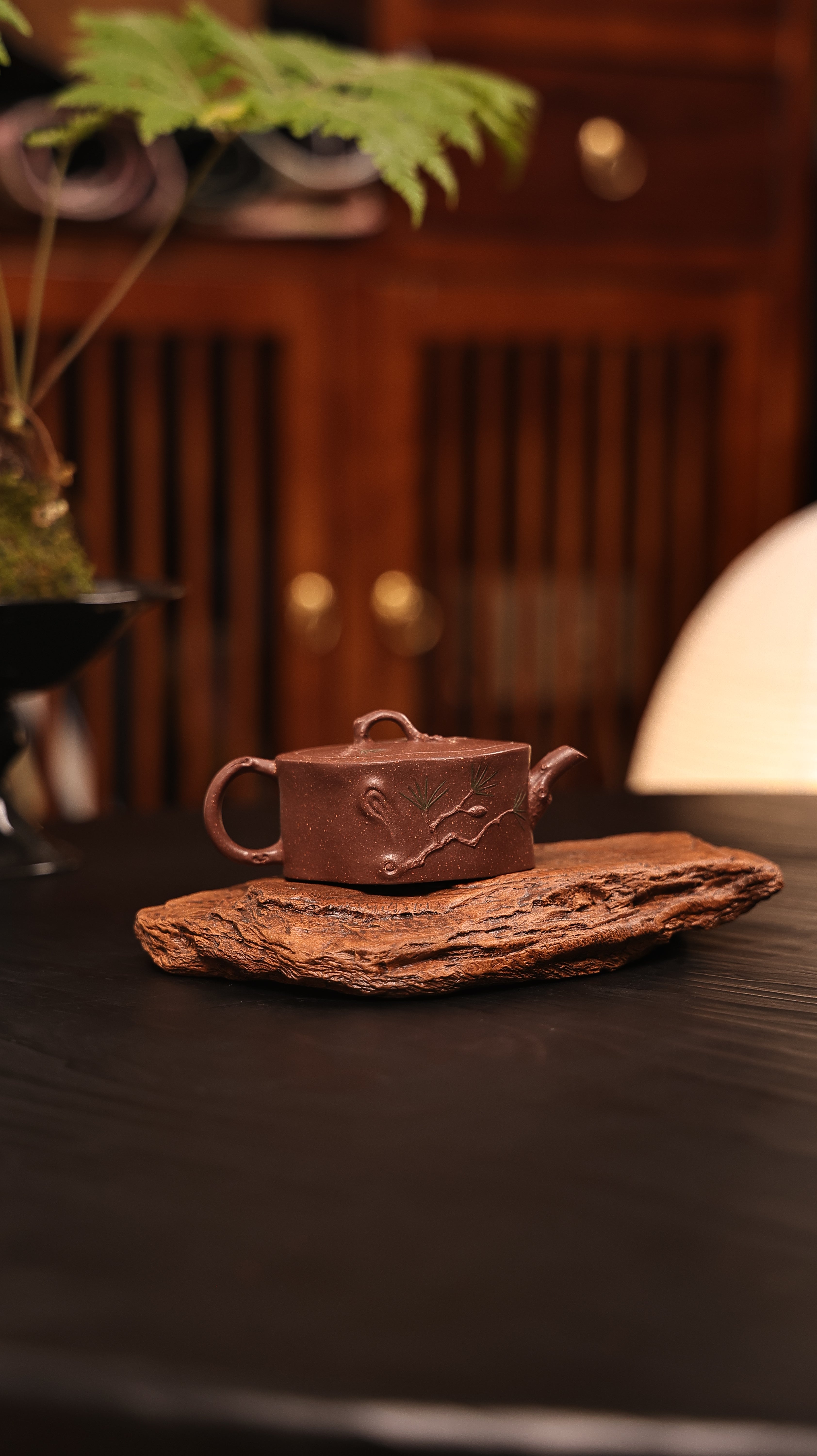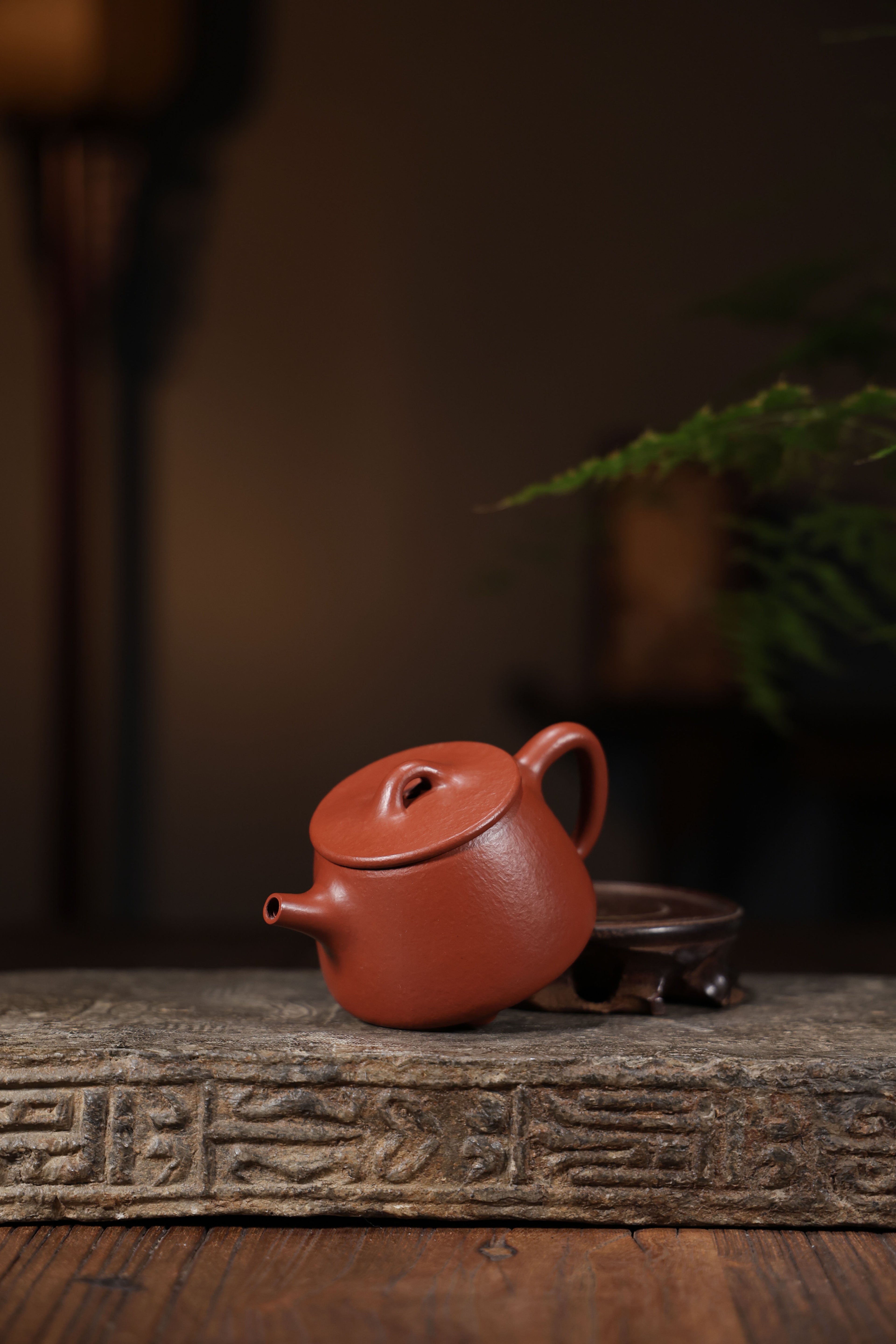
Eras in aficionados have favored the unique appeal of Yixing Zisha pots. Rooted in the picturesque town of Yixing, the nation, these pots are fabricated from a scarce and dug purple clay famous for its remarkable thermal qualities and facility to amplify the bouquet of infusions. Apart from their valuable asset, Zisha teapots represent a lasting customary inheritance, making them considerably esteemed and a real treasure for any committed teapot aficionado.
Delving into Yixing Pitchers
Historical teapots exhibit a distinct integration of history and skilled craftsmanship. Developing in Yixing, Jiangsu Zone of China, their narrative goes back the Ming Dynasty, although manifestations suggest earlier expressions. The singular wine-colored clay, called Zisha, found only in the Yixing region, is the paramount component, contributing to the pots' unmatched heat maintenance and the manner they shape the aroma of tea. Continuums of potters have enhanced techniques—often bequeathed through families—including molding the clay, applying detailed embellishments, and firing the pots at regulated temperatures.- Historically, Yixing teapots were often enhanced with simple designs.
- Subsequently, more advanced carvings and figurative motifs became accepted.
- The baking itself is a indispensable element, requiring extensive periods of competence.
Accumulating Zisha Teapots: Critical Aspects
Commencing a journey to secure Zisha jars can be satisfying, but it’s required to understand what to identify. Authenticity is important; focus on the earth’s natural tinge, a delicate reddish-brown is characteristic. Examine the consistency; genuine Zisha has a distinctive tactile sensation, often explained as slightly rugged. The profile should be balanced and consistent with antique styles, while labels, if present, require thorough examination for legitimacy. Don’t resist to consult with savvy collectors or trusted resources – their guidance is critical.
The Clay Pots: Investigating the Practice of renowned Zisha
Ages have seen Yixing Zisha Clay teapots retain a distinguished role in Chinese custom. These beautifully crafted pots, sourced Yixing Teapot primarily from the locality of Yixing, are well-known for their peculiar cast, nature, and their ability to heighten the profile of liquids. Many collectors seek antique Yixing teapots, valuing them highly not only for their aesthetic appeal, but also for the past they symbolize.
Yixing Zisha Teapots: An Top Varieties and Their Features
Purple Clay teapots, originating from the Yixing province of Yixing, the land, are well-known for their uncommon clay and high-quality brewing aptitudes. Inside the several Zisha types, the categories that are highly prized include Binzhou Purple Sand. Binzhou, known for its bold purple shade and silky texture, delivers a delicate flavor. Duan Ni subclass, recognizable by its brownish color and slightly grainy feel, is perceived to enhance the depth. Lastly, The Zhuni type boasts an peculiar burgundy tone and can deliver a delightful nuance. Each variety supplies a varied experience, rendering them considerably desirable between infusion enthusiasts.
Mastering Unique Earthenware Vessel
To tap into the power of your Yixing vessel, appreciating the correct way is vital. These clay receptacles, celebrated for their filtering ability, will progressively accept the core of the tea you brew within them. Begin by cleansing the vessel thoroughly with steaming water. Then, use only fine loose leaf tea, as lower quality options can impair the container’s delicate nuance. Always permit the leaves to expand completely, and remember that with each steeping, your Yixing teapot will become gradually unique.
Sustaining Your Cherished Zisha Relic
Proper attention for your Zisha pitcher is critical to securing its character and esteem. Zisha clay, known for its unique cast and texture, requires attentive handling. Never use intense chemicals, as these can wreck the finish. After every employing, rinse the teapot with mild water and allow it to cool off completely.
- Do not soaking the pitcher for extended periods.
- From time to time use a soft wiping cloth to polish the exterior.
- Deliberate applying a thin layer of food-grade mineral oil inside the vessel after drying, which can avoid staining.
Getting Started with Yixing Kettles
Yixing pitchers, originating from the Yixing area in Jiangsu Province, the Chinese territory, are celebrated for their distinctive peculiarities. Made from the unique purple ground known as Zisha, these earthenware are prized by concoction enthusiasts worldwide. This introduction will concisely explain the foundations – covering categories of Zisha clay, widespread shapes, and crucial care notes. Understanding the genesis of Yixing teapots can improve your appreciation for this time-honored example of Far Eastern civilization.
Fabrication of Chinese Clay Pots: Concentrating on Zisha made in this city of Yixing
Zisha substance from the Yixing territory represents the pinnacle of Yuan pot design, possessing a singular fusion of unprocessed beauty and utilitarian artistry. These notable pieces are acclaimed for their bold complexions, often including strong purples and copper hues to delicate greys and faint beiges. The noted mineral composition of the exclusive-to-the-area Zisha bedrock imparts a distinctive texture and furnishes a pleasant aroma that increases the whole beverage experience, transforming them greatly prized collectibles and vital components of any serious tea.