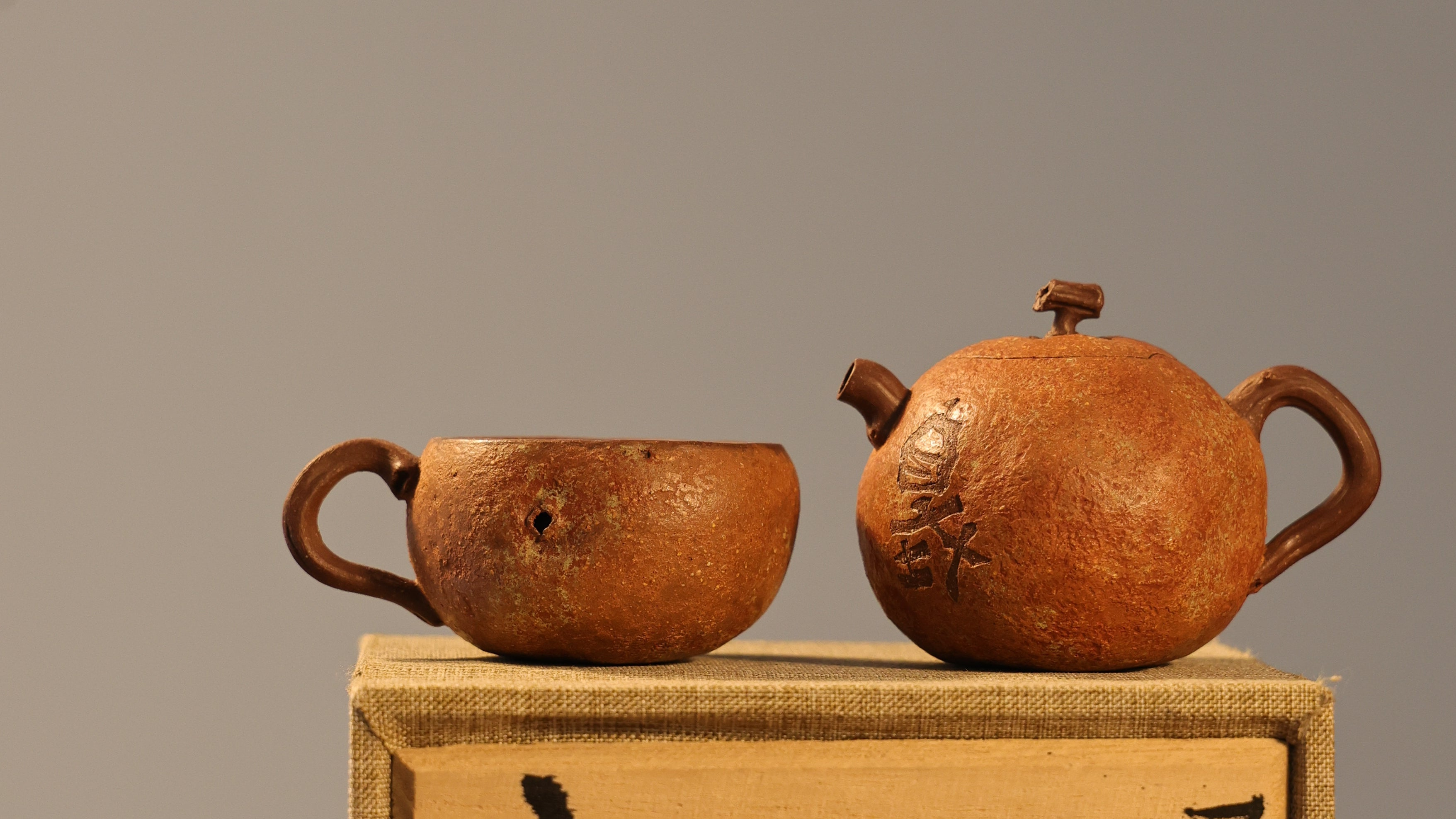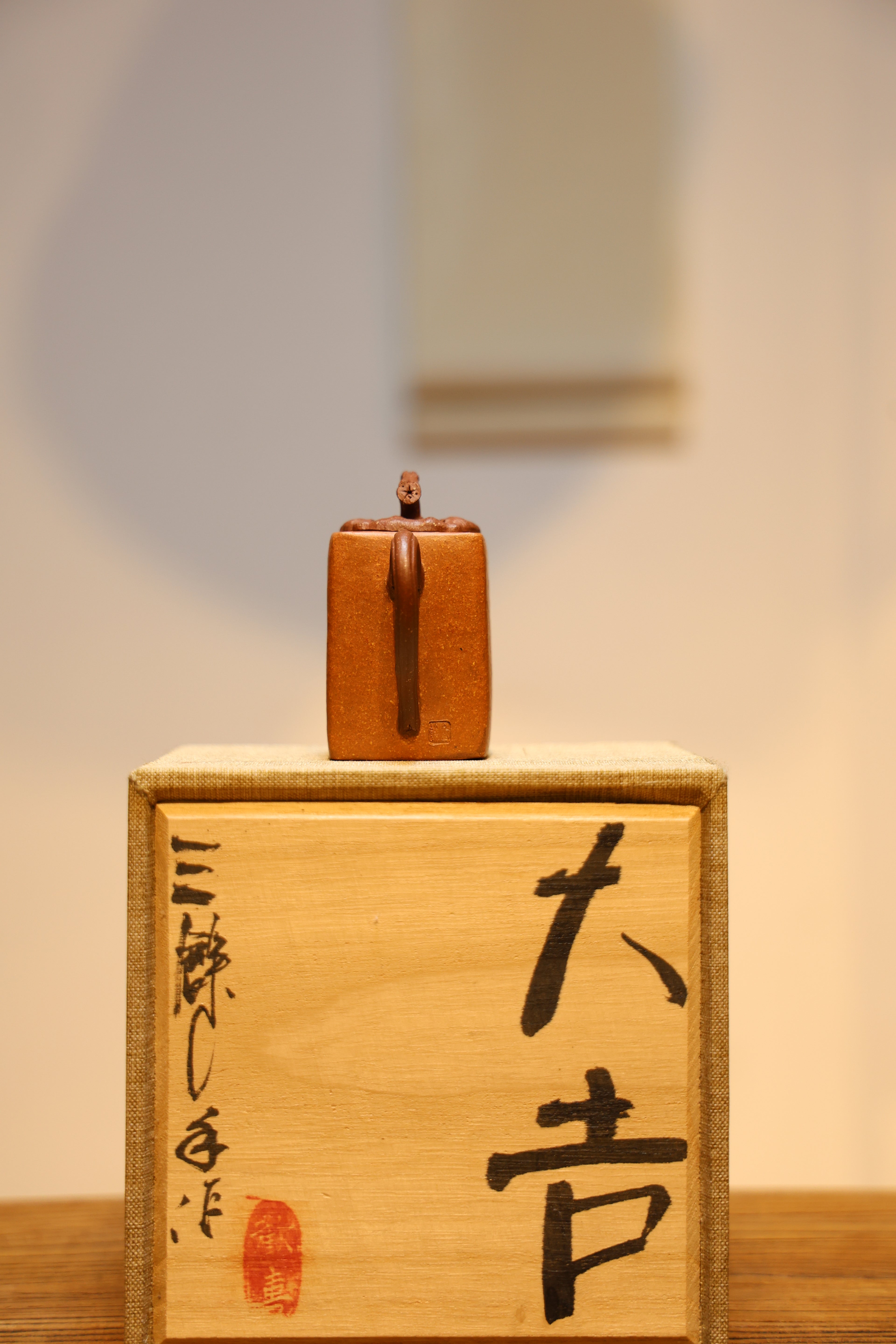
Across the expanse of historic epochs,
Within ages, gatherers have been captivated by the one-of-a-kind charm of Yixing Zisha pots. Originating from the province of Yixing in the Chinese province, these objects are renowned for their preeminent beauty, extraordinary clay, and congenital ability to refine the flavor of the brew. The earth's distinctive reddish-purple hue, combined with the talented construction of native craftsmen, creates pieces that are simultaneously functional designs and cherished holdings. Purchasing a Zisha teapot is more than just every purchase; it's adopting a rich heritage heritage.
Decoding Yixing Teapots: Evolution, Categories, and Importance
Yixing region's teapots constitute a fascinating tradition deeply intertwined with Chinese culture. Beginning in the Yixing region of Jiangsu province, these clay vessels have a heritage dating back to the Ming Dynasty. Former examples were functional, but through centuries, Yixing teapot creation evolved into an esteemed art form. The clay itself, known for its unique grain and ability to influence the flavor of the tea, remains a defining factor. Yixing teapots come in various kinds, broadly categorized by shape: Established such as Zhuni (purple Yixing Zisha Teapot clay) and Bisheng, as well as advanced designs. The price of a Yixing teapot is on several factors, including the potter’s distinction, the age of the piece, the rarity of the clay, and its aesthetic beauty.- Heritage: Centuries ago
- Medium: Assorted selections
- Cost Determinants: Scarcity
Zisha Pot Excellence: Skills and Creators
Particular formation of a superior Zisha teapot is a detailed process, requiring lengthy durations of skill. Master artisans meticulously procure the highest quality Zisha clay, a singular earth found only in specific regions of China. Conventional techniques, often inherited through families, involve exact shaping, delicate carving, and calm firing in ancient hearths. The finished teapot isn't merely a jar; it's a testament to aesthetic vision and the weighty connection between the maker and their lineage. Each artifact showcases the unique touch of the specialist, resulting in a truly matchless work of art.
Historical Teapots: Investigating the Rich Cultures of Yixing
Famous Yixing, located in Jiangsu the district, is commonly renowned for its exceptional earthenware – a tangible representation of centuries of Chinese creative legacy. These aren't merely vessels for steeping tea; they are intricate works of expertise, often reflecting cultural ideals. That unique purple clay, known as Zisha, possesses uncommon qualities: it is dense, ventilated, and imparts a subtle flavor to the tea.
- Countless bloodlines have honed the techniques of Yixing pot making, passing down hereditary methods through successions.
- Enthusiasts prize these pieces for their loveliness and rareness.
- Every container tells a chronicle, connecting the drinker to a rich history.
Entering Yixing Zisha: Important Factors
In the process of assessing investing in Yixing Zisha clayware, countless parameters command careful attention. To begin with, the soil's tint is key; authentic Zisha conventionally exhibits a distinct reddish shading. In addition, investigate the skill; meticulous traits and a flawless veneer manifest skillful workmanship. Lastly, investigate the potter's background; esteemed names bring increased premiums and often guarantee a stable return.
How to Brew Premium Tea with Zisha Clay
Creating appetizing tea with a Zisha jar is more beyond a simple technique; it's an mastery. Zisha clay, known for its unique geological composition, imparts a delicate character to the finished tea that’s often wanting with other implements. The suitable water level is required; typically, gentler than what's used for black tea, to maintain the tea's fragrance and nuance. Consider mindfully the tea class; delicate green teas or aged pu-erhs flourish from the Zisha’s ability to mellow their basic edge. It’s pivotal to heat the teapot in advance of brewing, and to prevent over-steeping. Mastering this art leads to a factually exceptional tea moment.
- Comprehending Zisha Clay
- Water Temperature & Tea Sort
- Essence of Tempering
Safeguarding Your Famous Container
For the purpose of extend the continuity of your beautiful Yixing teapot, habitual attention is utterly indispensable. Do not using synthetic products; instead, carefully wash it with comfortably warm solution. Ward off rapid temperature; please don't put the earthenware directly onto a fiery stand. Periodically, mature the urn by immersing it with choice aged steep, as this aids to strengthen its essence and defends the exclusive traits of the dirt.
About Element to Drinkware: The Path of a Famous Teapot
This creation of a Zisha teapot is a notable technique, a indication to both the land’s bounty and the competence of the artisan. It originates with the exact extraction of the special clay from the burgundy Zisha mines near Yixing. This natural material, known for its magnificent qualities, is then deliberately distilled and prepared for the original forming. The urn’s shape is adeptly built using a combination of time-honored molding practices, often incorporating complex motifs. Following aging, the vessel undergoes a essential first firing, accompanied by a dressing stage, which might involve diverse layers of natural Zisha solutions. Finally, a second, and sometimes third, firing at elevated temperatures solidifies the manufacture, revealing its final beauty and wonderful characteristics - a authentic masterpiece, equipped to embellish a tea session.
{Yixing Teapots: A Exemplar of Chinese Tradition and Esteem
Renowned Yixing teapots, originating from the distinguished Yixing region of Jiangsu province, are far more than mere earthenware for brewing liquids; they represent a substantial aspect of Chinese identity. Manufactured from distinctive purple clay – zisha – these unique teapots are highly prized for their ability to improve the flavor of the tea and, crucially, for their aesthetic appeal. The legacy of Yixing teapot making spans centuries, and the craft involved is transmitted through generations, making each teapot a beautiful object that embodies long-established techniques and a profound appreciation for the modest pleasures in life.