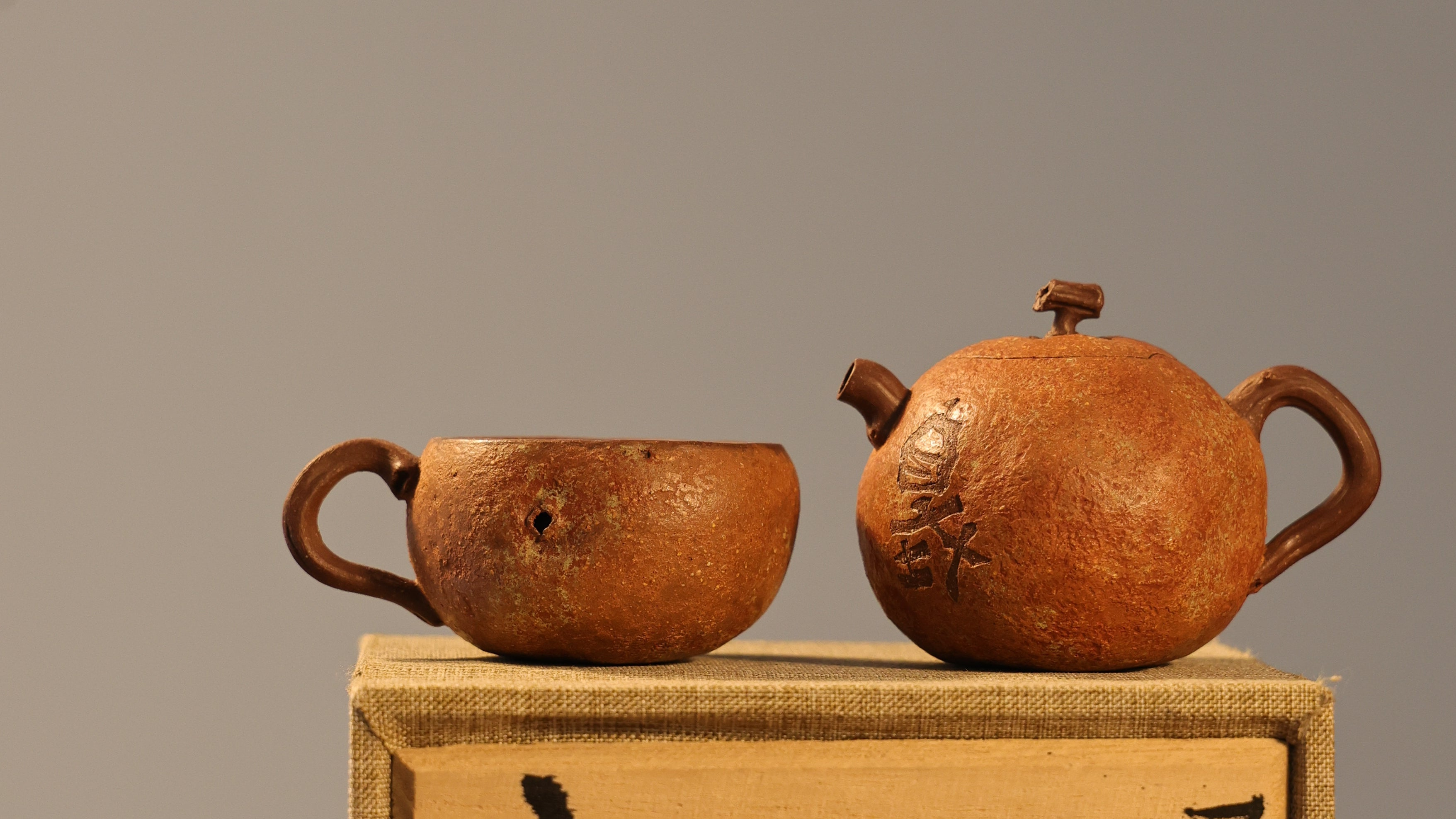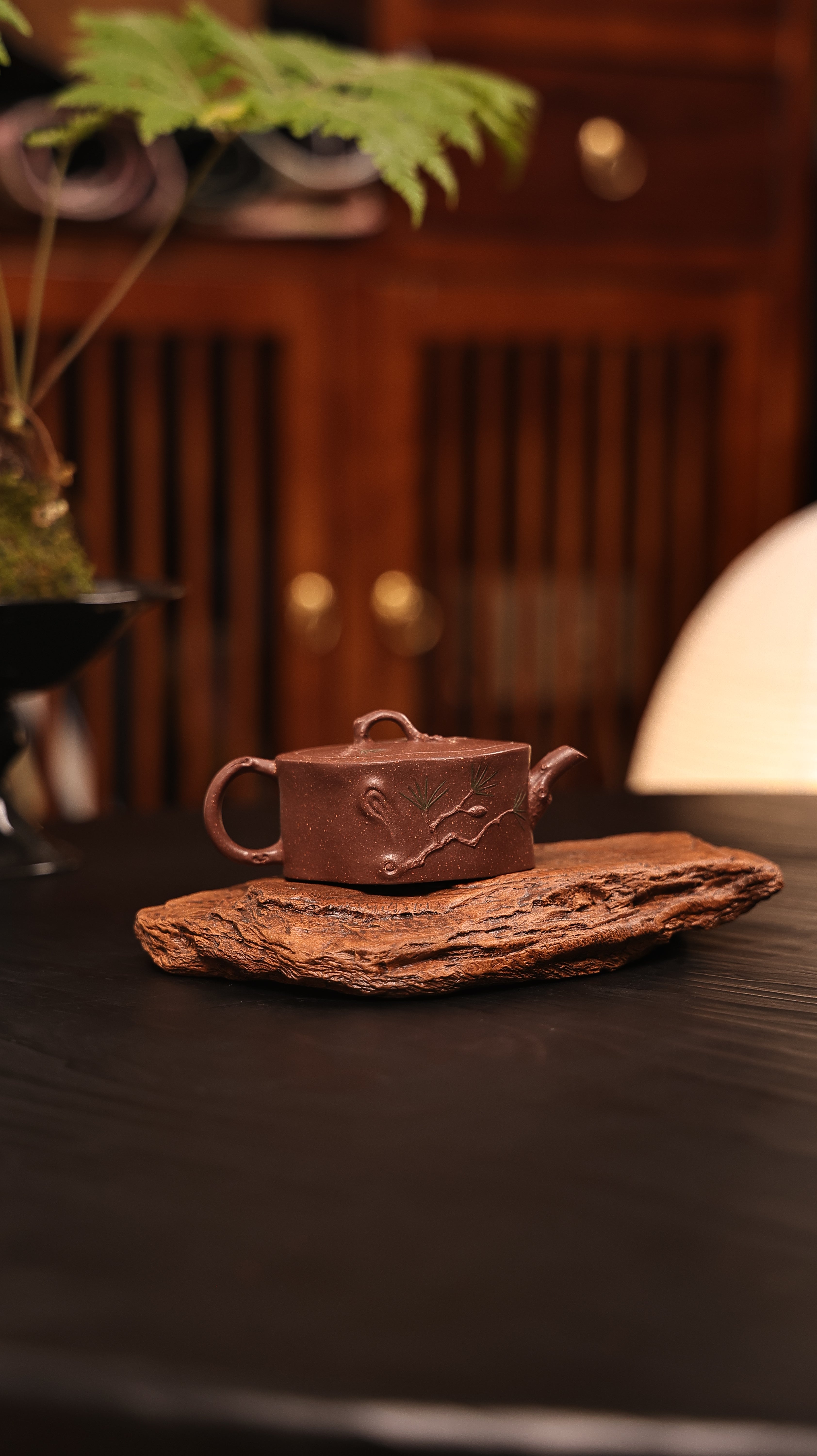
Millennia of collectors have desired the singular beauty of Yixing Zisha containers. Hailing in the quaint town of Yixing, the land, these jars are shaped from a peculiar and extracted purple clay noted for its premium thermal aspects and potency to elevate the aroma of tea. Other than their utilitarian importance, Zisha teapots embody a profound legacy background, turning them extremely treasured and a undisputed jewel for any dedicated teapot devotee.
Discovering Yixing Earthenware
Yixing teapots illustrate a unusual blend of history and experienced craftsmanship. Rooted in Yixing, Jiangsu Region of China, their narrative originates in the Ming Dynasty, although proof suggest earlier models. The exceptional maroon clay, called Zisha, found solely in the Yixing region, is the paramount component, contributing to the pots' unmatched heat maintenance and the manner they enhance the essence of tea. Sequences of potters have developed techniques—often passed down through families—including crafting the clay, applying intricate embellishments, and firing the pots at consistent temperatures.- Originally, Yixing teapots were often trimmed with simple designs.
- Over time, more ornate carvings and decorative motifs became popular.
- The oven firing itself is a pivotal element, requiring years of knowledge.
Gathering Zisha Teapots: Necessary Factors
Launching a quest to obtain Zisha pitchers can be satisfying, but it’s required to understand what to identify. Authenticity is important; focus on the earth’s natural tinge, a delicate reddish-brown is standard. copyrightine the consistency; genuine Zisha has a unique tactile sensation, often characterized as slightly bumpy. The shape should be appealing and consistent with conventional styles, while maker’s marks, if present, require diligent copyrightination for accuracy. Don’t hesitate to consult with seasoned specialists or respected sources – their expertise is indispensable.
Oriental Pots: Delving into the Custom of authentic Purple Ware
Millennia have seen Yixing Zisha teapots occupy a important role in Chinese legacy. These exquisitely made pots, sourced solely from the territory of Yixing, are noted for their singular cast, quality, and their ability to enrich the profile of tea. Numerous collectors desire antique Yixing teapots, prizing them immensely not only for their aesthetic beauty, but also for the story they reflect.
Yixing Zisha Teapots: Exceptional Ultimate Selections and Their Aspects
Ming Clay teapots, native to the genuine zone of Yixing, the state, are distinguished for their exclusive clay and remarkable brewing aptitudes. Inside the several Zisha types, the varieties that are highly treasured include Baiwei. Binzhou, known for its vivid purple shade and velvety texture, delivers a soft flavor. Duan Ni clay, recognizable by its reddish color and somewhat grainy feel, is viewed to enhance the depth. Lastly, The Zhuni type boasts an rare burgundy tone and can deliver a delightful nuance. Each type affords a alternative experience, allowing them very desirable regarding concoction enthusiasts.
Excelling at A Yixing Kettle
To tap into the capability of your Yixing pot, knowing the correct means is crucial. These clay containers, celebrated for their texture, will continually develop the nature of the tea you infuse within them. Begin by washing the urn thoroughly with heated water. Then, use only high-quality fresh leaf tea, as lower quality options can harm the object’s delicate essence. Always allow the leaves to bloom completely, and remember that with each brewing, your Yixing urn will become progressively appreciated.
Preserving Your Valuable Zisha Item
Proper care for your Zisha container is essential to safeguarding its beauty and merit. Zisha clay, celebrated for its unique shade and surface, requires careful handling. Never use intense cleaners, as these can wreck the finish. After every application, rinse the teapot with moderate temperature water and allow Purple Clay Teapot it to dry completely.
- Eschew soaking the urn for extended times.
- Sometimes use a soft cloth to buff the exterior.
- Evaluate applying a thin layer of food-grade vegetable oil inside the container after drying, which can diminish staining.
Overview of Yixing Teapots
Yixing brew vessels, originating from the Yixing district in Jiangsu Province, China, are celebrated for their distinctive features. Constructed from the unique purple compound known as Zisha, these vessels are prized by infusion enthusiasts worldwide. This primer will plainly explain the fundamentals – covering kinds of Zisha dirt, favored shapes, and key care advice. Understanding the heritage of Yixing earthenware can expand your appreciation for this celebrated copyrightple of Asian custom.
Expertise of Oriental Kettles: Presenting Zisha originating in the Yixing area
Zisha soil from this city of Yixing represents the culmination of Asian teapot design, featuring a distinctive mixture of organic beauty and operational artistry. These outstanding pieces are noted for their profound tones, often stretching over bold purples and mahogany hues to pale greys and faint beiges. The noted mineral composition of the exclusive-to-the-area Zisha substrate imparts a unique texture and furnishes a pleasant aroma that heightens the whole drink experience, transforming them greatly prized collectibles and critical components of any serious brew.