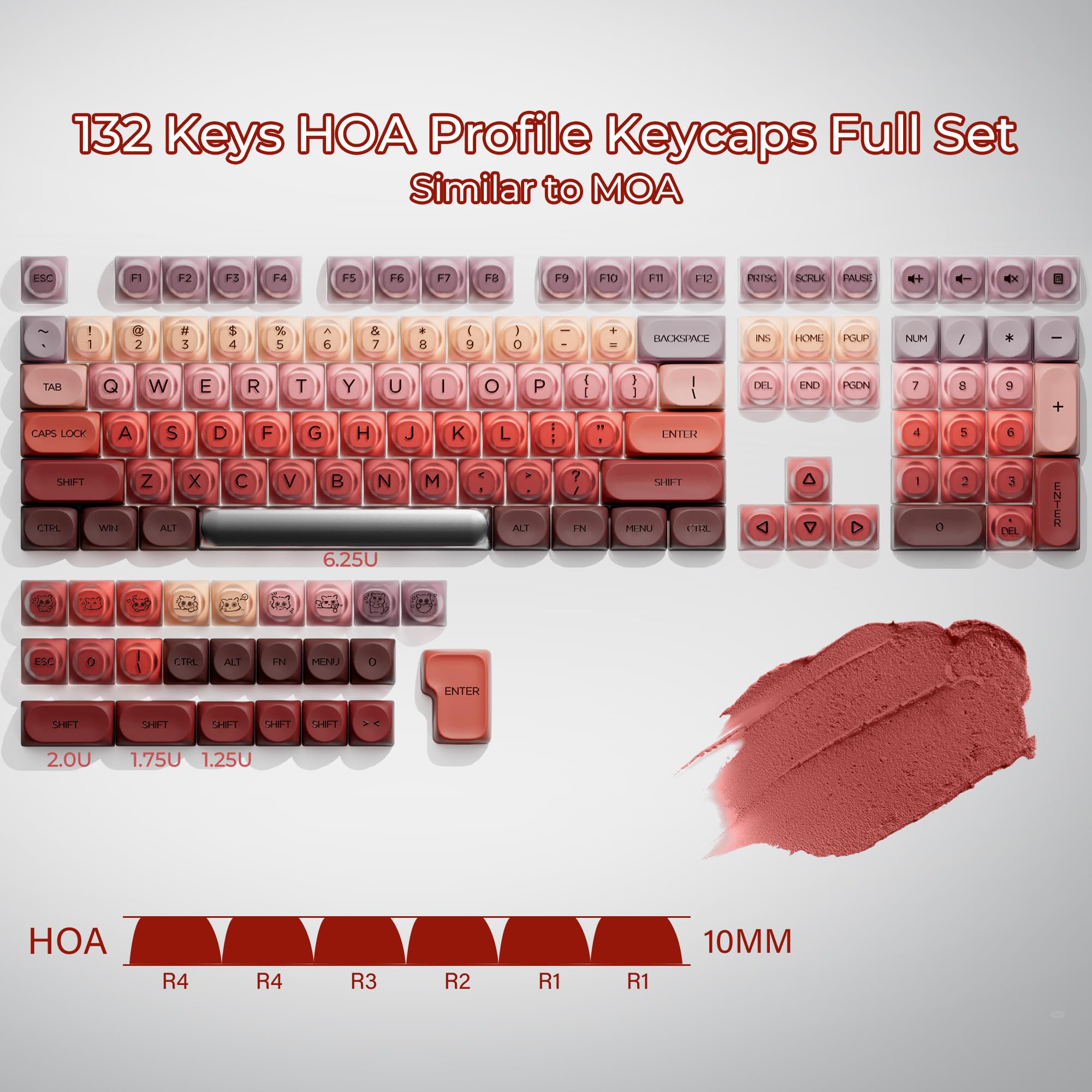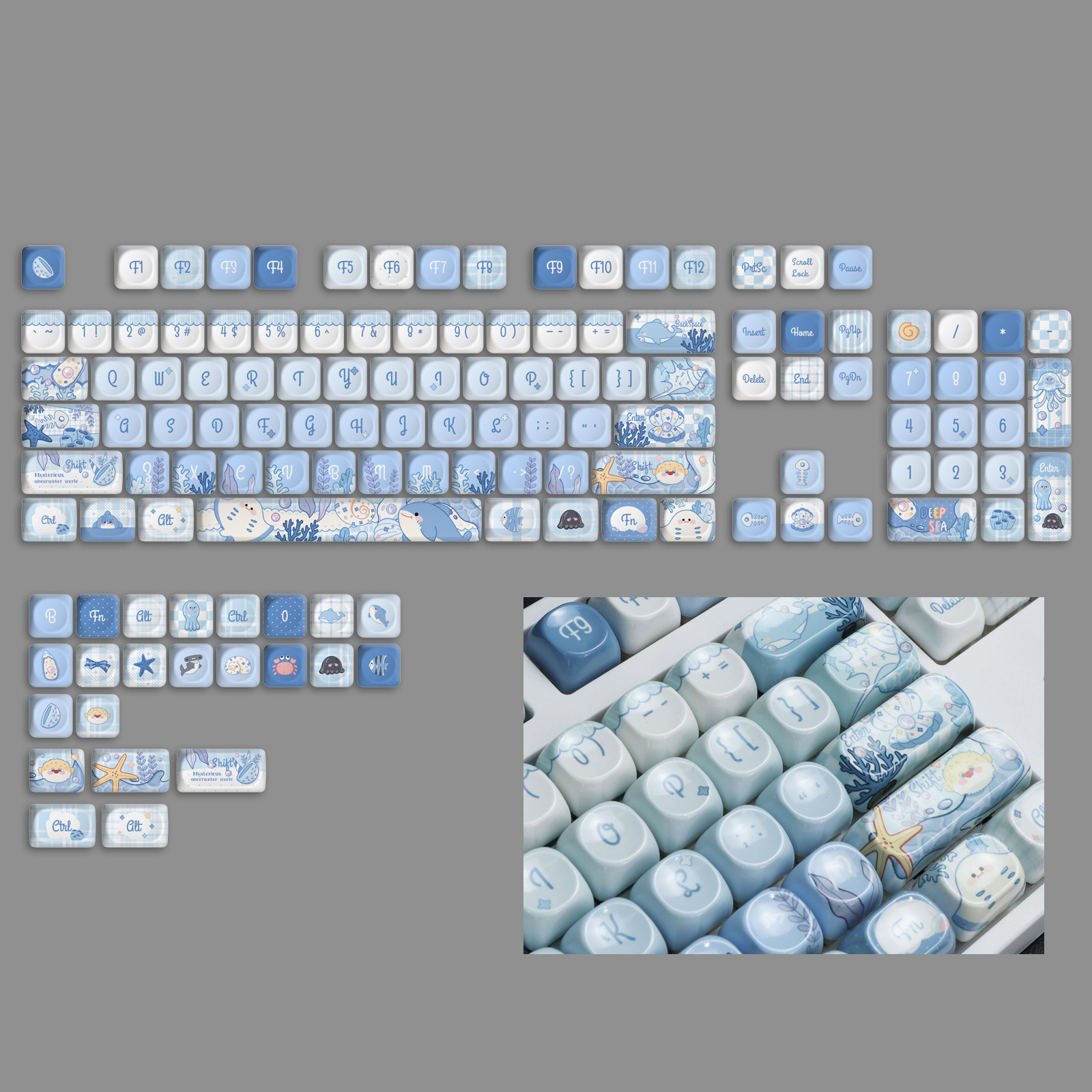
Embarking one's advanced control interface exploration entails learning button housings.
Hoping to modify the input interface? Button covers are a easy way to do just that! Such small pieces sit atop your keyboard’s switches and dramatically alter its appearance. From traditional ABS plastic to upscale PBT, alternative materials offer unique feedbacks. Explore profiles like Cherry, OEM, or SA to adjust the feel of your keycaps, and unlock a whole new level of typing enjoyment. Evaluate the options – it’s more than just aesthetics; it's about crafting a exclusive device that truly reflects your individuality!
Elite Keycap Assortments for Customized Mechanical Keyboards
Initiating the adventure of customizing your mechanical apparatus often leads to the crucial decision: keycaps! Electing the optimal set can dramatically transform your device’s aesthetics and feel. From classic silhouettes like Cherry and OEM to more specialized options like SA and DSA, there’s a concept keycap sets for everyone. Here's a summary look at some top contenders. Consider doubleshot ABS for a vintage vibe, PBT for robustness and a textured feel, or even artisan keycaps for a truly tailored touch. Some well-regarded sets include GMK (known for their outstanding), Artifact (offering spectacular designs), and Drop (providing predictable offerings). For novices, understanding the material and profile is key, while knowledgeable enthusiasts might chase rare or restricted releases.
- Material Secrets: ABS vs. PBT – consider finish and longevity.
- Profile Preferences: Cherry, OEM, SA, DSA – each changes the texting experience.
- Appearance Aspects: Color schemes, legends, and overall arrangement are key.
Mechanical Keyboard Keycaps 101: Substances & Details
Studying the world of mechanical keyboard tailoring, keycaps are a core component. Understanding the different materials used is foundational; common choices include ABS, PBT, and infrequently metal. ABS is typically much less durable and vulnerable to shine, while PBT offers a increased textured feel and enhanced longevity. Keycap forms, like Cherry, OEM, SA, and XDA, direct the complete typing experience and design. In the end, consider the markings - whether they are engraved or double-shot – as this alters their long-lastingness and presentation style.
Customize Your Keyboard: Discovering Keycap Patterns & Forms
Plan to rework your keyboard from commonplace to a unique piece? Explore the scope of keycap designs and formats. Keycaps, those microscopic plastic pieces that you hit, offer a significantly wide collection of offers. From retro profiles like Cherry and OEM to modern designs such as SA and DSA, each form changes the keying interaction. You can identify keycaps in a abundance of blends, including engineered, PBT, and even metal, each offering a different feel. Beyond just the substance, the graphics – be it striking legends, soft gradients, or fancy artistic pictures – allows you to truly express your personality. So, dive into the exciting world of keycaps and give your keyboard a new look!
Keycap Sets: Finding the Perfect Look for Your Build
Selecting ideal keycap set is absolutely crucial for achieving your desired impression in a mechanical keyboard design. Sizable options are attainable, from classic PBT plastic to more exclusive materials like composite keycaps. Consider aspects like keycap shape, palette, and legends – do you lean toward a strong look, or something more pared-down? Don't shy away to check out different themes to find a match for your identity and keyboard tone.
Opting the Proper Keycaps: Compatibility & Responsive Keyboard Models
When improving your mechanical keyboard, opting for the correct keycaps is significantly important. Learning congruence starts with identifying your keyboard’s toggle type. Most keycaps are designed for original switches, but substitutes like Kailh might look for a relatively different form. Furthermore, think about the keyboard’s setup; usual layouts (like ANSI or ISO) impact keycap height and clearance. To sum up, researching your keyboard’s attributes is important for a seamless keycap refit.
Over the Basics: Special & Singular Mechanical Key Covers
Once you’ve explored the basic Cherry MX profile, a whole world of appealing keycap patterns awaits. Journey beyond the average with artisan masterpieces sculpted from constituents like metal, featuring fancy engravings, radiant pigments, or even mechanical miniature figures. Admirers hunt for rare series from limited editions runs, often depicting hidden themes or citing arcane ideas. The charge can climb significantly, modifying what was once a simple add-on into a valid work of art.
How to Select Durable Keycaps for Mechanical Devices
Selecting an right keycaps for one’s mechanical keyboard can substantially elevate the typing performance. Robustness is the important component – look for keycaps built from premium materials like polymer blends. PBT is by nature better resistant to gloss than traditional ABS, while doubleshot molding bans label wear. Reflect on the keycap contour; Cherry are frequent choices, various offering a standout feel. Finally, inspect your keycap suitability with her keyboard’s switch type.
Moving from primary going to conventional Mechanical Keyboard cap designs
Comprehending keycap profiles is fundamental for anyone devoted to the world of mechanical keyboards. Originally set by Cherry MX, the “Cherry” profile became a standard for many manufacturers. However, different profiles, most notably OEM, soon gained favor. OEM profiles are habitually found on pre-built keyboards, offering a mildly raised profile against Cherry, and habitually granting a pleasant feedback to a variety of users. Exploring these contrasts opens you to find the perfect keycap style for your unique instrument.