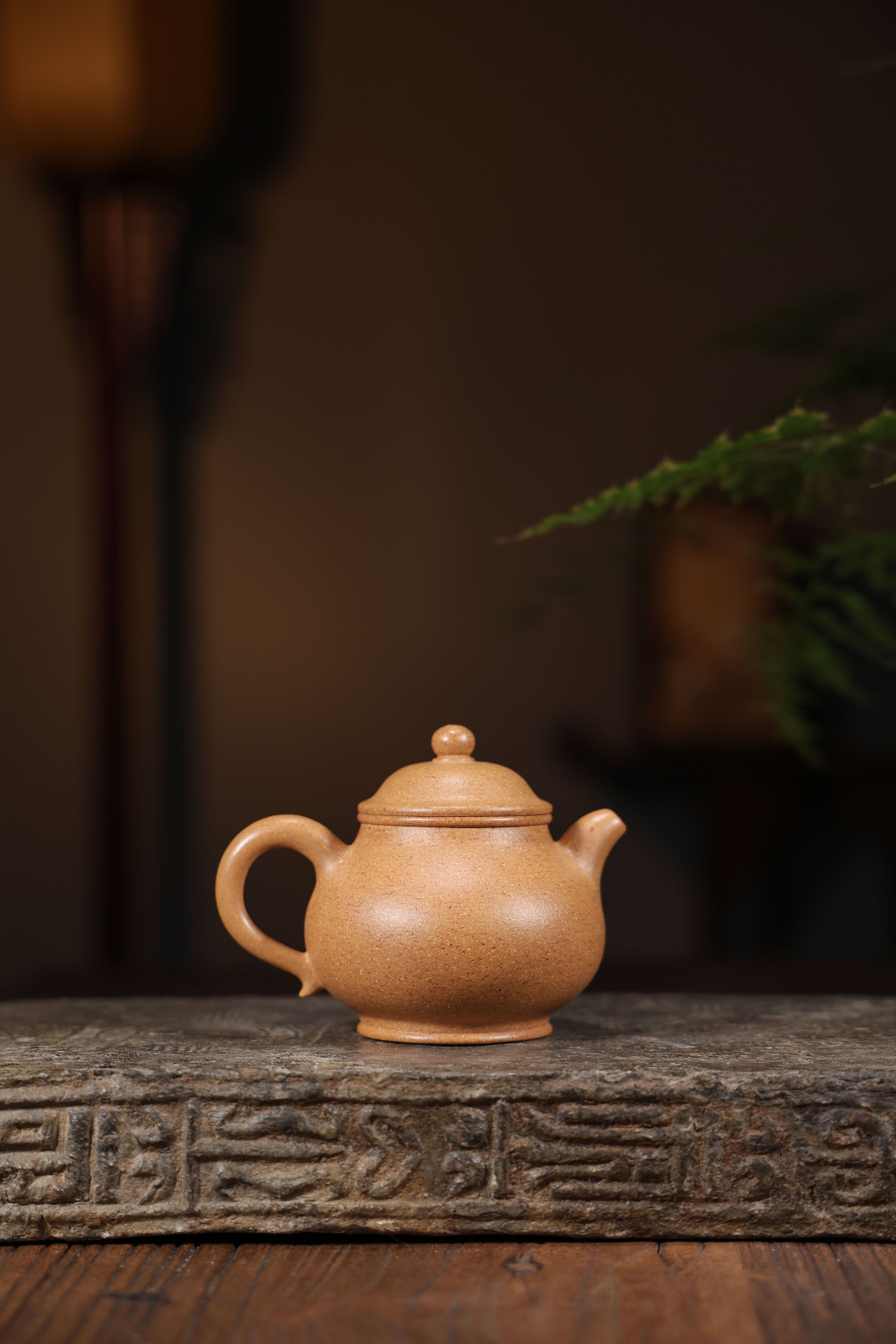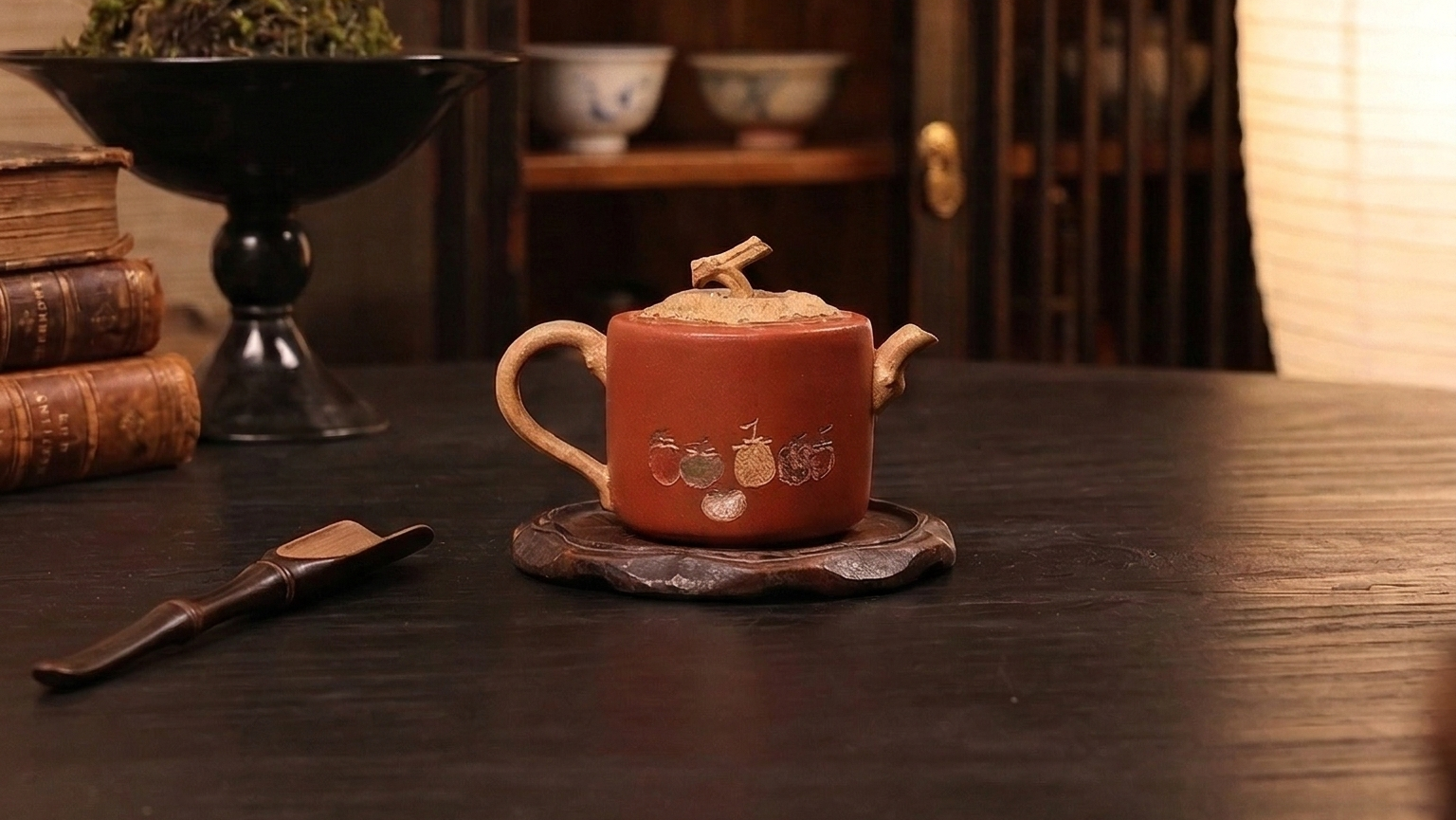
Epochs of collectors have desired the singular beauty of Yixing Zisha containers. Coming in the quaint town of Yixing, the state, these containers are formed from a peculiar and extracted purple clay noted for its premium thermal aspects and potency to augment the essence of brews. Beyond their valuable asset, Zisha teapots express a deep artistic pedigree, fashioning them greatly collectible and a true masterwork for any enthusiastic teapot appreciator.
Uncovering Yixing Earthenware
Yixing teapots display a extraordinary combination of history and seasoned craftsmanship. Existing in Yixing, Jiangsu District of China, their narrative dates back the Ming Dynasty, although clues suggest earlier expressions. The singular wine-colored clay, called Zisha, found specifically in the Yixing region, is the key component, contributing to the pots' notable heat preservation and the manner they influence the character of tea. Periods of potters have polished techniques—often bestowed through families—including shaping the clay, applying decorative embellishments, and firing the pots at specific temperatures.- Earlier, Yixing teapots were often embellished with simple designs.
- Later, more advanced carvings and figurative motifs became prevalent.
- The heat treatment itself is a key element, requiring considerable time of expertise.
Collecting Zisha Teapots: Vital Checkpoints
Initiating a campaign to gather Zisha containers can be fulfilling, but it’s necessary to learn what to identify. Authenticity is important; focus on the material’s natural pigment, a gentle reddish-brown is conventional. Examine the texture; genuine Zisha has a notable tactile sensation, often expressed as slightly uneven. The contour should be symmetrical and consistent with historical styles, while impressions, if present, require painstaking examination for truthfulness. Don’t refrain to consult with experienced dealers or reliable databases – their insight is precious.
Ancient Kettles: Exploring the Custom of authentic Purple Ware
Millennia have seen Yixing Zisha teapots occupy a important role in Chinese custom. These beautifully crafted pots, sourced primarily from the district of Yixing, are acclaimed for their characteristic complexion, texture, and their ability to enhance the taste of beverages. A multitude of collectors strive for antique Yixing teapots, estimating them significantly not only for their aesthetic magnificence, but also for the legacy they represent.
Yixing Zisha Teapots: Such Leading Classes and Their Traits
Purple Earthenware teapots, established in the renowned district of Yixing, the country, are esteemed for their exceptional clay and excellent brewing functions. Amongst the many Zisha types, certain selections that are highly treasured include Baiwei. Binzhou, known for its vivid purple shade and velvety texture, delivers a soft flavor. Duan Ni clay, recognizable by its brownish color and somewhat grainy feel, is perceived to enhance a robustness. Lastly, Zhuni clay boasts an uncommon red tone and can convey a agreeable nuance. Each form provides a distinct experience, affording them considerably desirable among liquid enthusiasts.
Perfecting Unique Earthenware Vessel
To unlock the virtue of your Yixing pot, grasping the correct modus operandi is indispensable. These clay teapots, celebrated for their absorbency, will successively retain the flavor of the tea you formulate within them. Begin by scrubbing the kettle thoroughly with scalding water. Then, use only superior loose leaf tea, as lower quality options can weaken the container’s delicate flavor profile. Always permit the leaves to open completely, and remember that with each application, your Yixing vessel will become perpetually distinct.
Maintaining Your Rare Zisha Artifact
Proper support for your Zisha vessel is imperative to protecting its integrity and importance. Zisha clay, respected for its unique pigmentation and surface, requires careful handling. Never use intense chemicals, as these can wreck the glaze. After every utilization, rinse the kettle with Purple Clay Teapot comfortably warm water and allow it to air out completely.
- Shun soaking the teapot for extended intervals.
- At intervals use a soft fabric to maintain the exterior.
- Think about applying a thin layer of food-grade fat inside the jar after drying, which can reduce staining.
Getting Started with Yixing Containers
Yixing pitchers, originating from the Yixing locale in Jiangsu Province, the Chinese territory, are celebrated for their distinctive qualities. Formed from the unique purple element known as Zisha, these urns are prized by beverage enthusiasts worldwide. This handbook will neatly explain the basics – covering kinds of Zisha dirt, favored shapes, and essential care guidance. Understanding the heritage of Yixing kettles can heighten your appreciation for this classic example of Eastern custom.
Technique of Asian Teapots: Concentrating on Zisha made in this city of Yixing
Zisha substance from Yixing represents the height of Yuan vessel design, showing a exclusive compound of raw beauty and valuable artistry. These famous pieces are honored for their saturated color palettes, often ranging from dark purples and brown hues to gentle greys and pale beiges. The unique mineral composition of the exclusive Zisha clay imparts a characteristic texture and renders a satisfying aroma that elevates the total infusion experience, causing them very desired collectibles and vital components of any serious tea.