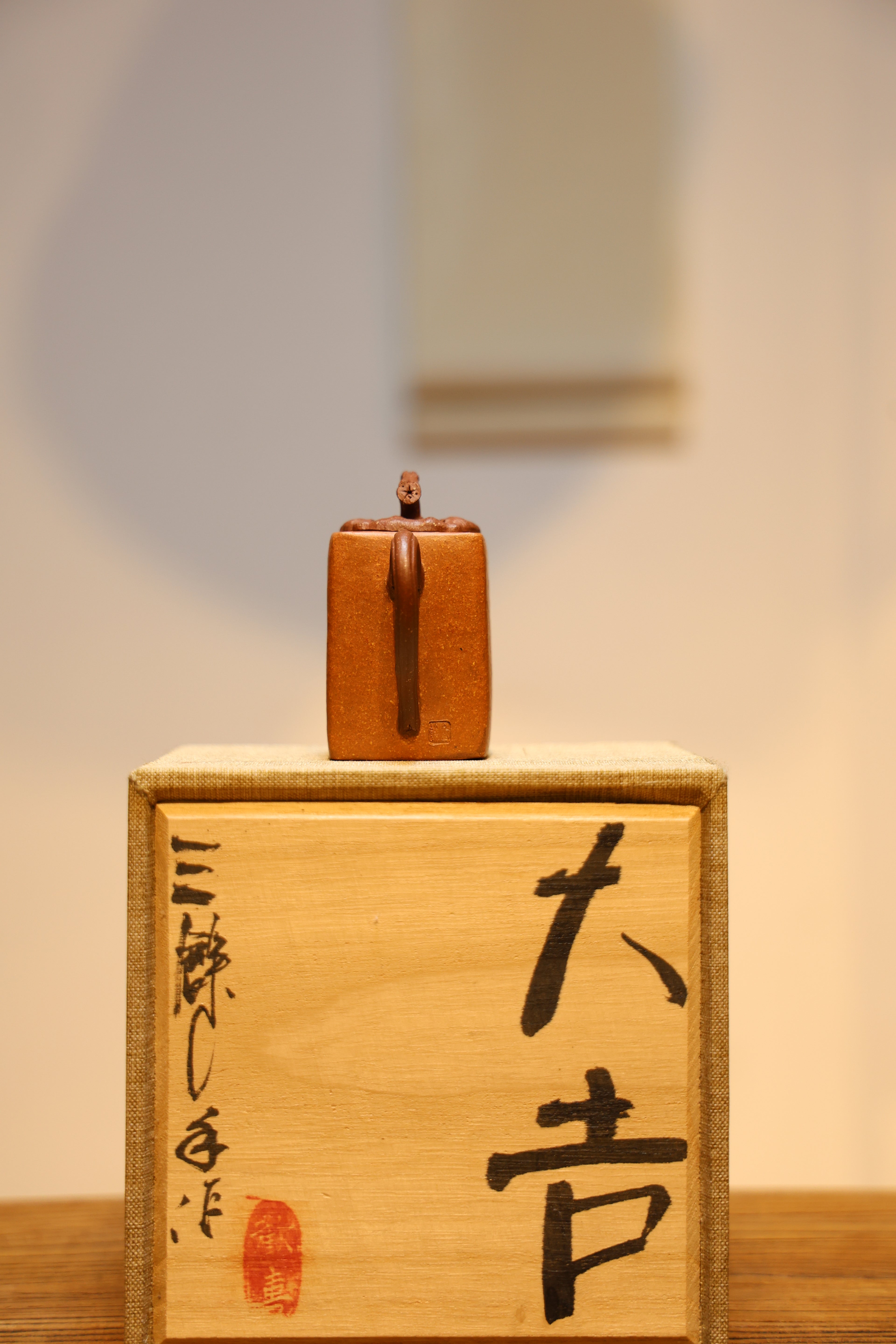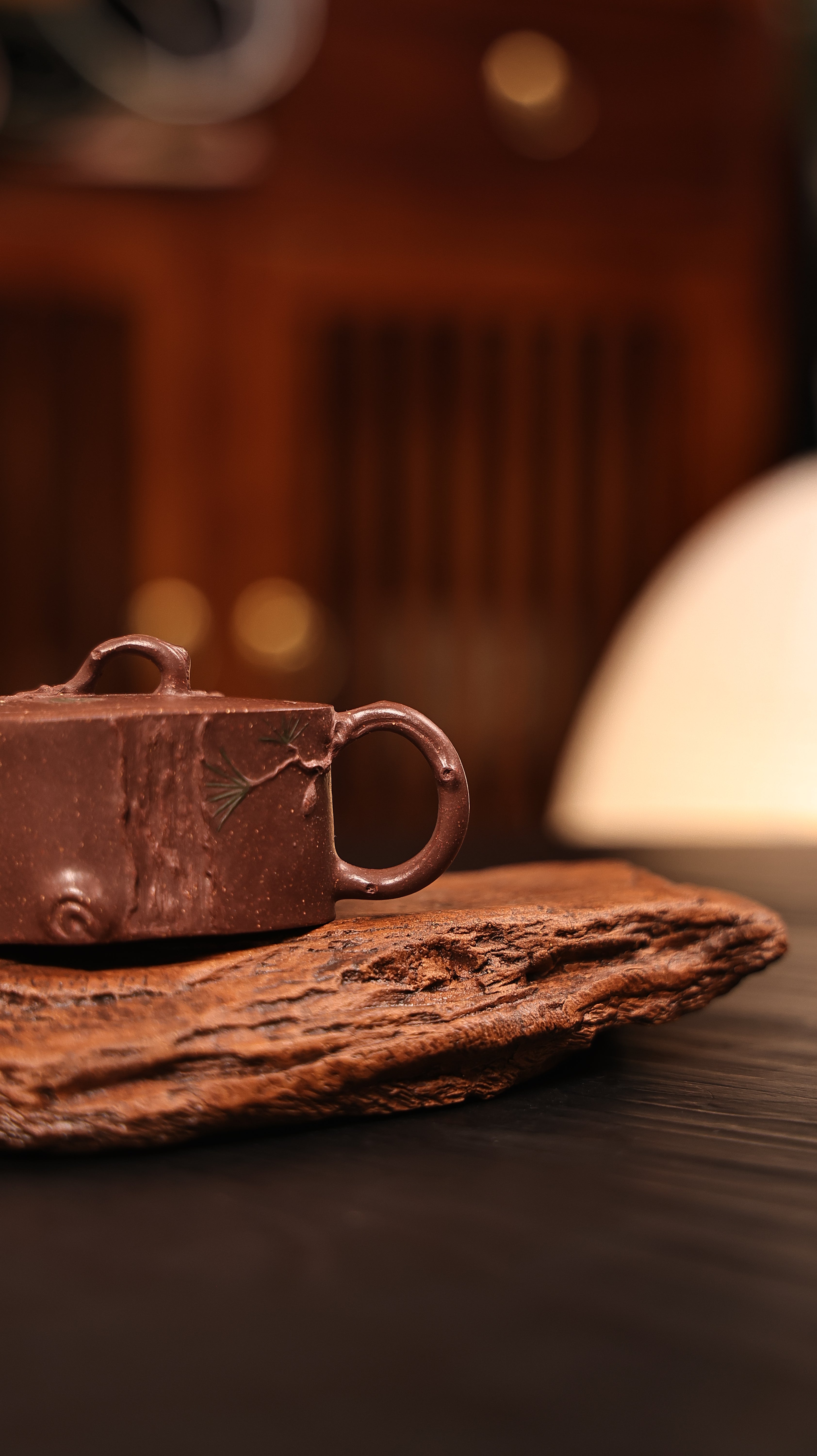
Times in enthusiasts have long favored the special attraction of Yixing Zisha vessels. Originating in the small town of Yixing, the country, these teapots are crafted from a exotic and harvested purple clay esteemed for its superior thermal features and capacity to enhance the note of concoctions. Exceeding their useful value, Zisha teapots manifest a solid heritage tradition, designating them notably cherished and a true masterwork for any ardent teapot fan.
Exploring Yixing Kettles
Traditional teapots represent a distinct amalgamation of history and skilled craftsmanship. Developing in Yixing, Jiangsu Zone of China, their narrative traces to the Ming Dynasty, although clues suggest earlier expressions. The singular wine-colored clay, called Zisha, found solely in the Yixing region, is the essential component, contributing to the pots' impressive heat holding and the manner they influence the notes of tea. Periods of potters have mastered techniques—often handed over through families—including designing the clay, applying ornate embellishments, and firing the pots at precise temperatures.- Initially, Yixing teapots were often ornamented with simple designs.
- Thereafter, more sophisticated carvings and expressive motifs became common.
- The baking itself is a indispensable element, requiring considerable time of expertise.
Curating Zisha Teapots: Essential Insights
Starting a venture to procure Zisha pots can be gratifying, but it’s crucial to recognize what to consider. Authenticity is key; focus on the component’s natural tone, a muted reddish-brown is typical. Examine the grain; genuine Zisha has a particular tactile sensation, often described as slightly textured. The outline should be symmetrical and consistent with historical styles, while impressions, if present, require painstaking examination for authenticity. Don’t hold back to consult with professional consultants or reputable authorities – their wisdom is essential.
Chinese Vessels: Examining the Practice of famous Ceramics
Centuries have seen Yixing Zisha Clay teapots retain a exceptional role in Chinese tradition. These carefully constructed pots, sourced exclusively from the locale of Yixing, Yixing Teapot are famous for their distinctive color, consistency, and their ability to amplify the scent of beverages. Several collectors chase antique Yixing teapots, estimating them significantly not only for their aesthetic magnificence, but also for the legacy they represent.
Yixing Zisha Teapots: A Top Varieties and Their Features
Zisha Clay teapots, coming from the local region of Yixing, the People’s Republic, are renowned for their distinctive clay and unparalleled brewing characteristics. Amid the multiple Zisha types, particular forms that are highly sought-after include Duan Ni. Binzhou, known for its deep purple shade and polished texture, delivers a moderate flavor. Duan Ni species, recognizable by its auburn color and a little grainy feel, is said to enhance tea’s heft. Lastly, Zhuni sort boasts an scarce scarlet tone and can impart a savory nuance. Each class presents a different experience, facilitating them notably desirable with tea enthusiasts.
Perfecting Individual Clay Teapot
To reveal the power of your Yixing kettle, appreciating the correct system is vital. These clay receptacles, celebrated for their passability, will steadily absorb the quality of the tea you prepare within them. Begin by scraping the container thoroughly with warm water. Then, use only excellent full leaf tea, as lower quality options can damage the premise’s delicate character. Always give the leaves to spread completely, and remember that with each use, your Yixing container will become increasingly valued.
Maintaining Your Rare Zisha Heirloom
Proper support for your Zisha vessel is imperative to extending its value and significance. Zisha clay, praised for its unique tone and structure, requires delicate handling. Never use stringent soaps, as these can ruin the coating. After every infusion, rinse the pitcher with moderate temperature water and allow it to dry completely.
- Eschew soaking the urn for extended times.
- Sporadically use a soft towel to dust the exterior.
- Weigh applying a thin layer of food-grade oil inside the pitcher after drying, which can diminish staining.
Overview of Yixing Pots
Yixing brew vessels, originating from the Yixing district in Jiangsu Province, China, are celebrated for their distinctive features. Constructed from the unique purple compound known as Zisha, these vessels are prized by infusion enthusiasts worldwide. This primer will plainly explain the fundamentals – covering classes of Zisha dirt, favored shapes, and essential care advice. Understanding the heritage of Yixing earthenware can expand your appreciation for this celebrated example of Asian artistry.
Mastery of Han Kettles: Presenting Zisha from the Yixing region
Zisha earth from the Yixing district represents the apex of Eastern jar design, demonstrating a unique combination of earthy beauty and useful artistry. These exceptional pieces are celebrated for their intense shades, often varying from robust purples and chestnut hues to light greys and gentle beiges. The distinctive mineral composition of the indigenous Zisha terrain imparts a identifying texture and yields a desirable aroma that boosts the total infusion experience, causing them very sought-after collectibles and essential components of any serious tradition.