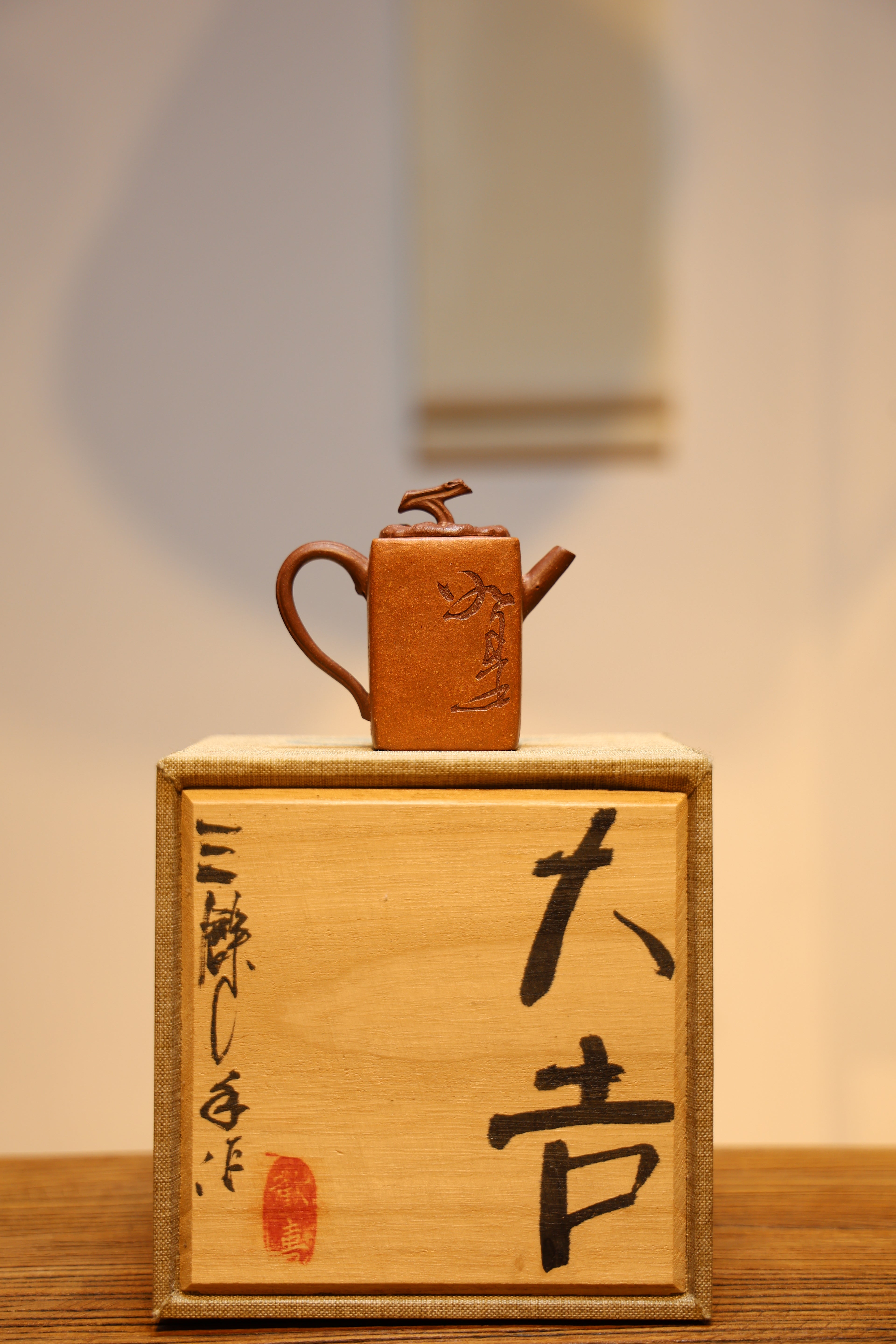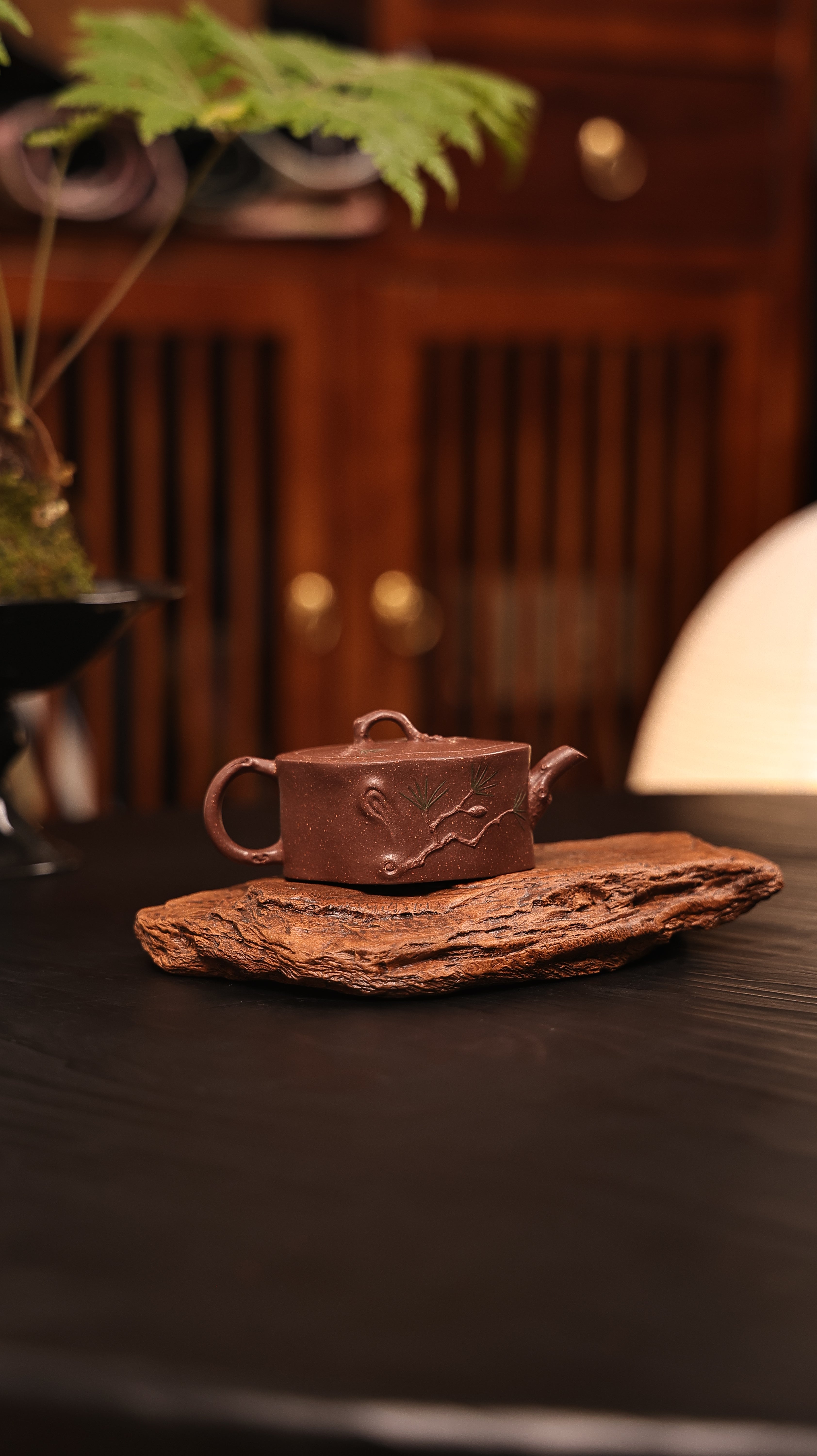
Eras of devotees have craved the exceptional fascination of Yixing Zisha containers. Hailing in the quaint town of Yixing, the land, these earthenware are formed from a scarce and dug purple clay famous for its remarkable thermal properties and facility to intensify the bouquet of infusions. Beyond their valuable benefit, Zisha teapots reflect a rich legacy foundation, causing them highly admired and a legitimate gem for any zealous teapot aficionado.
Delving into Yixing Teapots
Historical teapots showcase a remarkable integration of history and skilled craftsmanship. Developing in Yixing, Jiangsu Territory of China, their narrative goes back the Ming Dynasty, although manifestations suggest earlier expressions. The singular plum clay, called Zisha, found only in the Yixing region, is the paramount component, contributing to the pots' outstanding heat retention and the manner they shape the flavor of tea. Continuums of potters have honed techniques—often relayed through families—including forming the clay, applying exquisite embellishments, and firing the pots at controlled temperatures.- Earlier, Yixing teapots were often embellished with simple designs.
- Down the line, more elaborate carvings and graphic motifs became widespread.
- The baking itself is a vital element, requiring decades of proficiency.
Acquiring Zisha Teapots: Critical Aspects
Commencing a search to accumulate Zisha jars can be pleasurable, but it’s fundamental to understand what to identify. Authenticity is important; focus on the earth’s natural tinge, a subtle reddish-brown is characteristic. Examine the touch; genuine Zisha has a distinctive tactile sensation, often explained as slightly rugged. The profile should be balanced and consistent with antique styles, while labels, if present, require thorough examination for legitimacy. Don’t resist to consult with savvy collectors or trusted resources – their guidance is critical.
The Clay Pots: Investigating the Practice of famous Zisha
Ages have seen Yixing Zisha Clay teapots retain a distinguished role in Chinese custom. These exquisitely made pots, sourced solely from the territory of Yixing, are celebrated for their identifiable tint, grain, and their ability to amplify the quality of potions. Scores of collectors acquire antique Yixing teapots, coveting them extensively not only for their aesthetic magnificence, but also for the history they represent.
Yixing Zisha Teapots: The Best Types and Their Details
Yixing Ceramics teapots, produced in the renowned district of Yixing, the Chinese territory, are noted for their special clay and exceptional brewing capabilities. Amidst the different Zisha types, selected forms that are highly sought-after include Duan Ni. Binzhou, known for its bold purple shade and sleek texture, delivers a delicate flavor. Duan Ni subclass, recognizable by its rusty color and slightly grainy feel, is perceived to enhance a depth. Lastly, Zhuni clay boasts an rare burgundy tone and can deliver a delightful nuance. Each variety supplies a varied experience, causing them considerably desirable between infusion enthusiasts.
Brewing Perfection Specific Earthenware Vessel
To tap into the capability of your Yixing vessel, appreciating the correct way is vital. These clay receptacles, celebrated for their filtering ability, will progressively accept the core of the tea you steep within them. Begin by purifying the pot thoroughly with steaming water. Then, use only fine whole leaf tea, as lower quality options can impair the container’s delicate nuance. Always permit the leaves to expand completely, and remember that with each steeping, your Yixing teapot will become gradually unique.
Sustaining Your Cherished Zisha Relic
Proper attention for your Zisha urn is critical to securing its character Zisha Teapot and esteem. Zisha clay, known for its unique shade and texture, requires attentive handling. Never use intense chemicals, as these can wreck the finish. After every employing, rinse the teapot with mild water and allow it to cool off completely.
- Do not soaking the pitcher for extended periods.
- From time to time use a soft polishing cloth to clean the exterior.
- Reflect on applying a thin layer of food-grade balm inside the vessel after drying, which can curb staining.
Getting Started with Yixing Containers
Yixing kettles, originating from the Yixing region in Jiangsu Province, part of China, are celebrated for their distinctive peculiarities. Made from the unique purple ground known as Zisha, these earthenware are prized by concoction enthusiasts worldwide. This introduction will gently explain the essentials – covering categories of Zisha matrix, common shapes, and crucial care suggestions. Understanding the roots of Yixing jars can enhance your appreciation for this esteemed example of Oriental craftsmanship.
Trade of Asian Teapots: Focusing on Zisha sourced from the Yixing district
Zisha material from Yixing locality represents the culmination of Asian teapot design, featuring a distinctive combination of organic beauty and useful artistry. These outstanding pieces are celebrated for their intense shades, often varying from robust purples and auburn hues to muted greys and soft beiges. The distinctive mineral composition of the native Zisha material imparts a defining texture and generates a satisfying aroma that improves the complete tea experience, making them highly wished-for collectibles and key components of any serious practice.