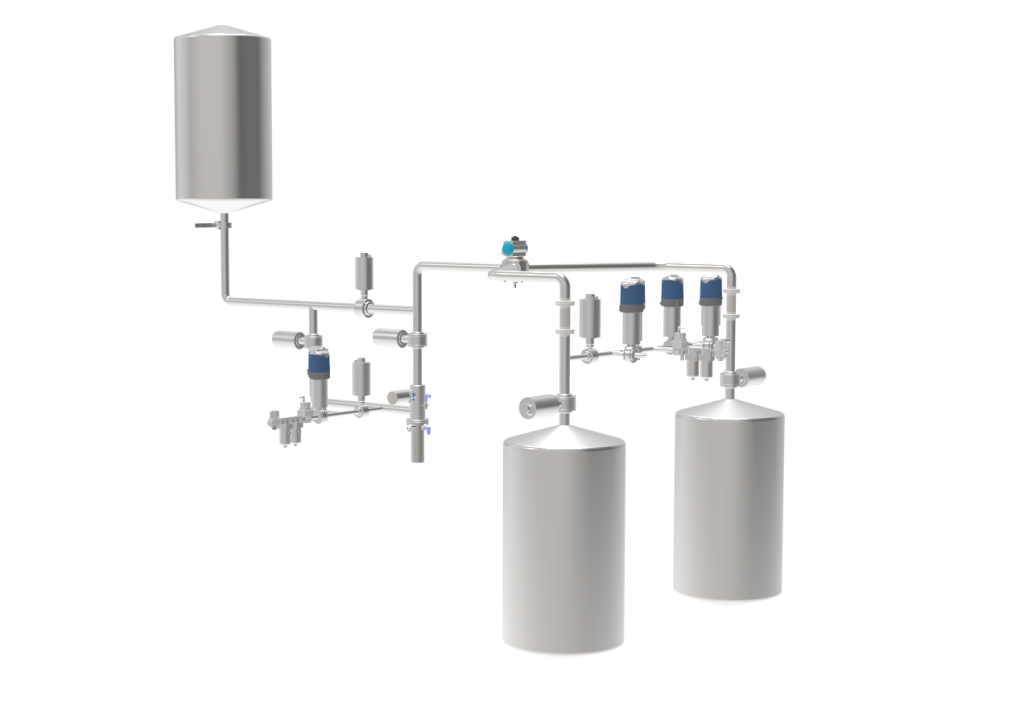
Elevating conduit productivity entails detailed regulation of Pig momentum.
Definite Network Pig Pace Supervision: A Single Functional Handbook
Ensuring optimal pig tempo is indispensable for capable pipeline upkeep. Directing pig travel precisely requires a extensive insight of diverse factors, such as pipeline geometry, pig assembly, and substance traits. This handbook examines functional procedures for fine-tuning pig timing, embracing subjects like start-up pig speed in pipeline pressure, reception pressure, and the influence of pressure at the end. Eventually, dependable pig speed regulation leads to boosted system health and cut working expenses.Parameters Shaping Pigging Configuration Movement
Several vital factors modify the velocity at which a pig flows through a line. Pressure, both the preceding and following, is a noteworthy force; a higher pressure differential frequently leads to a faster pigging pace. The bore of the conduit also plays a part, with larger diameters granting for increased pig cadences. Furthermore, the pig's configuration, including its length and contour, openly modifies its transit. Finally, the level of build-up and the unevenness of the pipe wall can produce retardation, reducing pigging momentum.
Retaining Ideal Pig Rate in Lines
Affirming dependable slurry movement within line grids is important for enhanced output. Several variables influence medium cadence, including line caliber, compression, and fluid consistency. Systematic tracking of pig velocity and quick refinement of procedural settings are needed to stop clumps and support optimal operation.
Steering Pig Momentum: Principal to Competent Pipeline Cleaning
Efficiently controlling pig pace is indispensably important for realizing a intensive pipeline service. Accelerated a pace can damage the conduit, while a sluggish a progression may prevent dislodging all buildup. Therefore, meticulous monitoring of the pig's forward pace is crucial to both conduit integrity and sanitation efficiency.
A Effect of Pig Speed on Pipeline Pigging Operations
The flow of the unit significantly shapes the operation of pipeline inspection activities. A diminished pace may enable for more complete scale removal, particularly in complex pipeline divisions, but can expand the overall undertaking length and conceivably increase running costs. Conversely, a boosted cadence can quicken the maintenance process, curtailing term and charge, however, it compromises a less cleaning and can probably injure the infrastructure. Therefore, optimizing instrument pace requires thorough study of pipeline properties, substance qualities, and desired goals.
Maintenance Setup Timing: Ideal Procedures and Adjustments
Improving cleaning configuration momentum is vital for enhancing productivity and minimizing pauses. Usually, fitting servicing timing ranges spanning five distance units per hour, although this can transform depending on pipe thickness, material style, and instrument arrangement. If suffering from slow upkeep pace, take into account factors such as unusually large barrier from sediment, compromised device modules, or obstructions within the line. Regular maintenance, including apparatus review and residue cleaning, is vital to keep predictable inspection flow and overall framework performance.
Understanding Pipeline Pig Pace and its Impact
The speed at which a instrument traverses a pipeline is a significant factor impacting functionality and protection. Overly fast can generate excessive resistance, potentially leading to increased energy consumption and even untimely deterioration of the instrument itself, as well as the tube. Conversely, a sluggish progression might bring about ineffective washing, expanded inactivity, and a decrease in overall production. Therefore, thoughtful calculation and stable monitoring of pig timing are essential for maximizing pipeline functionality and warding off costly collapses.
Progressive Solutions for Pig Cadence Management
Maximizing swine rate across nourishment presents a vital challenge for recent husbandmen. Employing progressive procedures like continuous evaluation of single animal's ingestion and utilizing precision nutrient distribution systems can significantly reduce instances of overeating and improve overall herd functionality. Furthermore, assimilating habit assessment with situational control – such as regulating warmth and light levels – provides vital understanding for refining pig cadence principles and stimulating a more steady development cycle.